
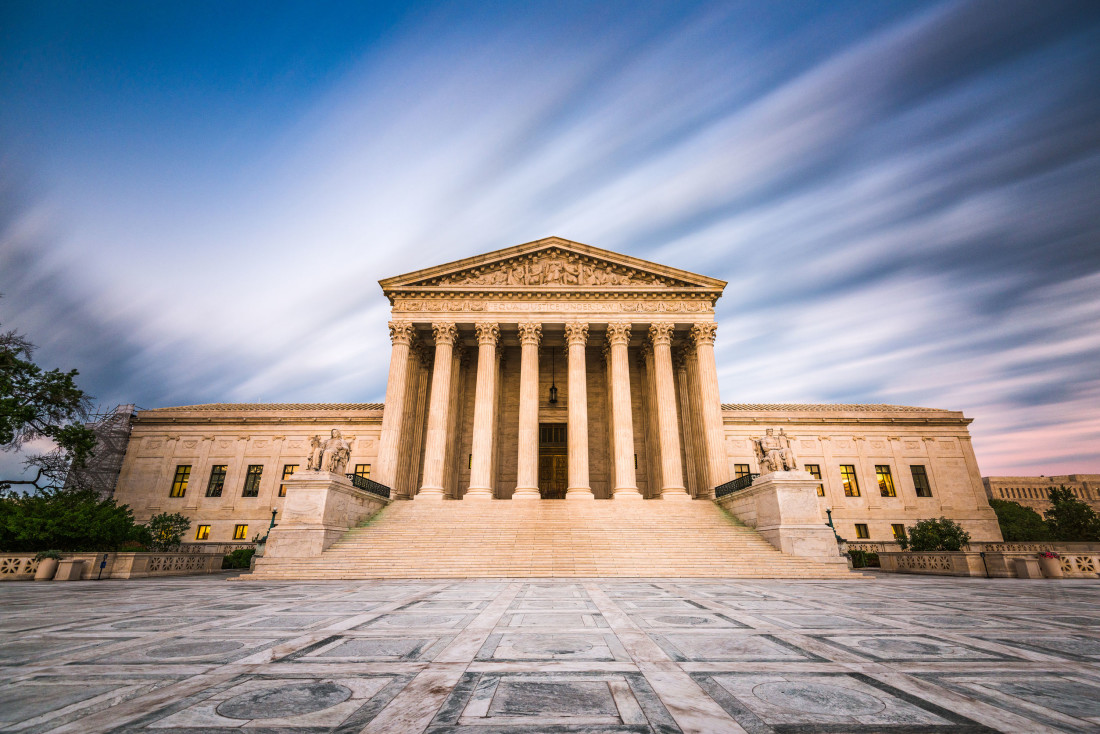
 Employers that rely on transportation workers, delivery drivers, and gig drivers may face significantly increased litigation risk following a recent U.S. Supreme Court decision. In Flowers Foods v. Brock, the Court ruled that “last mile” local delivery drivers qualify for the Federal Arbitration Act’s exemption for “transportation workers engaged in interstate commerce,” even if the drivers do not cross state lines. As a result, some transportation workers and gig drivers now have the green light to pursue their disputes in a court of law, even if they signed a private arbitration agreement with their employer/company.
Understanding the Supreme Court’s Decision
The company, Flower Foods, Inc., is a large distributor of packaged baked goods, such as Wonder Bread and Jumbo Honey Buns, and has many franchisees located throughout the country. One of the company’s franchisees delivers packaged baked goods to local shops in the Denver, Colorado, area.
A driver for that franchise believed the company had misclassified and underpaid him. So, he filed suit against the company in court. The company, relying on the parties’ private arbitration agreement, tried moving the dispute to arbitration. The driver balked and argued that he could pursue his claims in a court of law. The Court agreed with the driver, finding that some drivers (e.g., “last mile” drivers) who sign private arbitration agreements with their employer/company can qualify as a worker engaged in interstate commerce under the FAA – even if the driver never crosses state lines and never interacts with vehicles that do – which then exempts the driver from certain requirements of the FAA and renders any mandatory arbitration agreement unenforceable.
What This Means for Employers
Companies, such as Amazon, as well as gig companies should take note: certain “last mile” drivers who bring claims of misclassification, wage disputes, etc. now have the green light to file their claims in a court of law even if they signed a private arbitration agreement with their employer/company.
As with most legal disputes, determining which “last mile” drivers this ruling applies to is fact-specific. Employers and companies should consider and re-evaluate:
- Whether the product the driver is delivering has a local or broad reach.
- The effect of any supply chain structure.
- Any private arbitration agreements with employees and workers.
Keep in mind, however, that private arbitration agreements are generally permissible for the vast majority of private employees and workers.
 Partner
Laurie serves as a trusted advisor and advocate for employers in a variety of industries. Her clients appreciate her responsiveness, willingness to listen, and her understanding of their business. Laurie counsels employers on ...
Welcome to the Labor and Employment Law Update where attorneys from Amundsen Davis blog about management side labor and employment issues.
 RSS Feed